Chapter 13 · Part III · Aspiring & Active Breeders
Cattery Housing & Daily Management
Cageless, free-roaming catteries sound appealing on paper and are, in our experience, a genuine welfare risk in practice. Responsible catteries use caging and separation strategically — not as the default lifestyle, but as a tool that gets used at specific, predictable moments, for specific reasons.
What makes a good cage
Floor space matters more than height — cats stretch out sideways, not up, so a tall narrow cage isn't a substitute for a wide one.
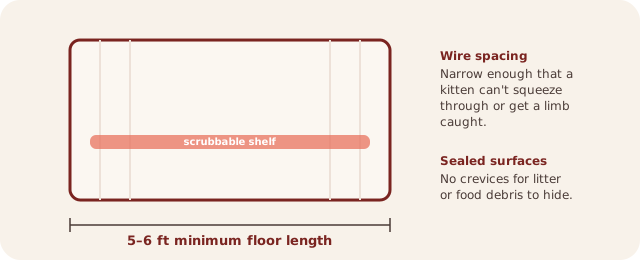
Fully sealed, scrubbable surfaces with no crevices where litter or food debris can hide and rot.
Generous floor space — 5 to 6 feet in length or width at minimum, because cats need horizontal room to stretch out far more than they need vertical height.
Wire spacing narrow enough that a kitten can't squeeze through it or get a limb caught trying.
At least one full-length, scrubbable shelf. Even in confined space, a cat still wants somewhere to climb and perch above floor level.
Who needs to be separated, and when
Situation
Why it matters
Intact males from each other
Territorial fights between whole males are frequently severe and can be fatal to cat and human alike.
Intact males from kittens
A male can attempt to breed even a very young kitten, risking serious injury or death.
Pregnant females, final 2 weeks
Reduced jumping confidence plus increased bulk raises miscarriage risk from missed jumps.
Nursing queens with litters
Prevents kittens getting lost, crushed, or a queen accidentally injuring a kitten through cage wire during a panicked reach.
Litters from other litters/adults
Immature immune systems make cross-litter mixing a real FIP and infectious-disease risk before ~12–24 weeks.
Show cats, during active show season
Consistent housing reduces show-day stress and protects a groomed coat and weight.
Any newly acquired or ill cat
Basic quarantine and infection control for the rest of the household.
Being upfront about caging with prospective buyers builds trust, it doesn't erode it. "My cats aren't caged full time, but here are the specific situations where responsible care means confining them, and why" is a better answer than dodging the topic — and buyers can usually tell the difference.
CFA's own minimum cattery standard
As a CFA-registered cattery, we're held to CFA's published Cattery Standard Minimum Requirements — a genuine floor, not something to be proud of hitting exactly. We aim well above these numbers day to day, but they're worth knowing as the baseline any CFA cattery is expected to clear.
Minimum enclosure size: at least 30 cubic feet of space for a single cat weighing 4 pounds or more, with resting perches required whenever an enclosure houses more than one cat.
Feeding: at least once daily, in sufficient quantity for normal growth in kittens and healthy weight maintenance in adults, from clean receptacles positioned away from litter.
Litter: pans accessible at all times; feces and soiled litter removed at least once a day; absorbent litter changed once it reaches roughly 30 percent saturation with urine.
Daily observation: every cat checked daily, with prompt veterinary care for any cat showing signs of illness or distress.
Environment: structurally sound housing that protects cats from temperature extremes, provides adequate ventilation and light, and keeps other animals out.
Grooming: cats kept clean and free of severe coat mats — worth calling out specifically for a breed as coat-intensive as the Persian.
Daily management checklist
Scoop every litter box at least once a day; full clean weekly.
Watch each intact male's urine output daily. Males are prone to urinary blockages, and catching reduced output early is genuinely life-saving, not just good practice.
Log feeding, weight, and medication for every cat, especially pregnant or nursing queens.
Keep a written vaccination and health-testing record per cat, updated at every single vet visit — not reconstructed from memory six months later.